
Weeds

More than 1,000 farmers across the country weighed in via survey to express concern that access to glyphosate and atrazine is at risk, after both technologies were called out in the MAHA Report. The next report, the MAHA strategy recommendations, is due to President Trump by August 12.

University of Waterloo research shows a single, targeted herbicide application from a spray drone can suppress invasive weed species in wetlands with over 99% effectiveness.

Many early-planted soybeans in the Midwest are in the R2 to R3 growth stages now, ideal treatment timing for most disease issues. Agronomists offer three reminders to help you make the call — plus a fourth tip on herbicide rescue treatments.

Dust storms can occur anywhere there’s loose soil and wind. Along with Illinois, states including Indiana, Kansas, Missouri, New Mexico and Texas have also experienced the problem this year.

John Deere is acquiring a drone and aerial imaging company to build out its Operations Center and application tech portfolio. Find out what we learned from executives from both companies.

A chief concern is whether glyphosate will be targeted by the report, which is expected to be unveiled on Thursday. A number of farmers have voiced concerns collectively and individually this week.

A recent congressional hearing addressed how U.S. crop protection companies and researchers use artificial intelligence to help farmers eradicate diseases, boost yields and stay competitive globally.

Results from a new survey reveal that between 25% and 50% of corn and soybean growers adopt the use of cover crops when their trusted adviser has been planting them, as well.

David Cogen partnered with John Deere during the 2024 growing season to till, plant, spray and harvest a small field at Deere’s Boundurant, Iowa, test farm. In the process, he says he learned a lot about farming and how difficult it truly is.

Brian Naber says growing up in a farming family in southwest Minnesota helped prepare him for the rigors of leading the company through the ag industry’s current economic and regulatory challenges.

Look for the sensitive areas in your fields now, advises Steve Pitstick, who farms 50 miles west of the Chicago suburbs. Be proactive and be informed, he adds, so making product use adjustments won’t be a huge lift this season.

While the new parameters for herbicide application add complexity, Stanley Culpepper from the University of Georgia says it is a challenge ag retailers, distributors, Extension and crop consultants have an opportunity to help farmers rise to meet.

Using AI technology Axiom, the Growers Loyalty Program can now analyze customer behaviors and product performance data. Additional headlines include a new starter from Kugler and a Nufarm herbicide that has received registration in Colorado.

Farmers can benefit from evaluating fields now and making a game plan for complying with the agency’s requirements. One positive is that the herbicide strategy will be implemented over time, instead of on a specific date.

Vipan Kumar, associate professor of weed science at Cornell, documented a synergistic effect for greater control of kochia resistant to multiple herbicide classes.

According to Syngenta, hundreds of growers provided very positive feedback during Storen’s first season on the market.

The practice can be useful in some scenarios but not all. Farmers need to evaluate the potential impact on 2024 yield outcomes. Perhaps a bigger concern is how the practice impacts weed management, especially waterhemp.

A seasoned crop consultant shares a list of items that are sure to make scouting a bit easier this spring.
Brian Geerlings recently bought a used sprayer and upgraded it with a See & Spray kit. He says weed control can cost $20 to $30 per acre, so being able to see and only spray weeds delivers a big savings.

Cereal rye helps Michigan farmer reduce herbicide-resistant marestail and waterhemp.

This new AI revolution uses things such as soil, climate and genetic data to anticipate outcomes and turn that information into actionable insights.

Global Neighbor Inc. (GNI) is a pioneering startup in advanced light technology for weed seed destruction.

Resicore REV features three active ingredients and modes of action – clopyralid (Group 4), mesotrione (Group 27) and acetochlor (Group 15) – to control more than 75 broadleaf weeds and grasses for up to eight weeks.

Bayer has requested a new label for XtendiMax from EPA. Public comment is underway. Also, farmers and retailers are urged to verify final sale and use cutoff dates for dicamba-based products in their respective states.
Farmers are moving fast and furious in fields this week, trying to get crops in the ground. But Mother Nature is playing havoc with their best efforts. Ken Ferrie addresses six concerns to help farmers make progress.

Iowa State University Extension research shows weeds not controlled after the V2 growth stage can reduce yields by up to 1% per day. Uncontrolled weeds can also contribute to harvest difficulties and weed seed banks.

Be diligent to keep pesky and invasive weeds out of your field boundaries. Otherwise, those weeds can produce seed and drift to additional acres in future years.
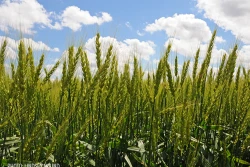
Tolvera recently received registration by the EPA for use on spring and winter wheat, durum and barley.

In a year with razor-thin margins, at best, corn and soybean growers can use a variety of new technology and tried-and-true agronomic tools to score higher yields this season.

The National Agricultural Aviation Association shares what indicates a professional aerial applicator.