
Farm Economy

A new report commissioned by NCGA and ASA found 90% of 1,200 farmers surveyed say they are more or equally concerned about their farm financials than a year ago.

From fragile Wisconsin ground to deep Illinois prairie, Andy Benson and Ryan Frieders are adapting their soil-management practices to keep inputs working effectively, yields improving and their respective farms on course for a brighter future.

Increasing numbers of corn and soybean growers are looking for lower-cost inputs to preserve and protect yields.

After a $100,000 loss and rising weed resistance, Matt Griggs says he knew he had to make some big changes. His tough decisions helped the 144-year-old farm survive and prosper.

The federal farm safety net was designed to offset losses. But some farmers and economists argue it has become a profit enhancer, raising questions about land values, competition and the future of agriculture.

The farm economy is at a crossroads. High costs and negative margins are driving record government payments, but economists say innovation, lower costs and new demand are key to restoring profitability.
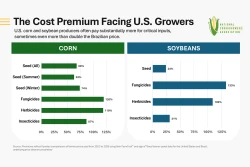
Analysis of 2023–2025 prices found U.S. growers paid more for nearly every seed and crop protection category examined.

With 400 groups in lockstep, Chairman G.T. Thompson’s labor bill moves to the House Judiciary Committee. The goal: Open year-round H-2A access for the first time since the program’s creation in 1986 and cap mandatory wage hikes.

Farm Journal’s June Ag Economists’ Monthly Monitor shows a weaker ag economy versus a year ago, but more than 80% expect consistent or better conditions over the next 12 months despite ongoing margin pressure.

A three-year break-even is typical, but certain field conditions, farm practices and cost-share programs can move your ROI into the black sooner.

The joint letter highlights a 150% spike in fertilizer prices and calls for immediate relief for the struggling U.S. farm economy.

Some of the easier entry points for corn and soybean farmers looking to capture higher returns can deliver $200 or more per acre.

The May Farm Journal Ag Economists’ Monthly Monitor reveals growing concern over farm profitability, rising debt costs and long-term financial stress, with economists saying many operations may need significant restructuring to remain viable.

From dropping phosphorus to switching from corn acres to soybeans, growers are navigating a difficult “recipe for success” as fertilizer prices remain high and grain markets soften.

A new survey of farmers and ranchers highlights growing frustration with Washington and reveals how the widening divide between rural and urban America continues reshaping politics, trust and the ag vote.

Producers report mounting pressure from higher diesel, fertilizer and machinery expenses, alongside trade uncertainty and rural healthcare concerns, as policy impacts and election-year sentiment weigh on the farm economy.

The U.S. House approved legislation to allow year-round sales of E15 gasoline nationwide, aiming to lower fuel prices while facing pushback over potential refinery costs and the impact on the national debt.

Fresh analysis from FAPRI finds passage of year-round E15 would bring limited near-term gains to corn prices, while SRE changes would put pressure on farm income and negatively impact soybeans.

Today’s market is evolving, not just correcting, according to ag economists. To win the long game, farmers are using generics and delaying machinery purchases as trade shifts to allies and consumers demand premium meat portions.

As the farm share of the food dollar hits historic lows, new USDA data reveals a widening gap between the grocery aisle and the farm gate.

After a nearly $900 billion surge in growth over the past year, the U.S. food and agriculture industry continues to serve as a primary engine for national commerce, trade and local economic stability across every state, a new study shows.

The RFS Set 2 rule is projected to increase net farm income by $4 billion and create a $31 billion market for corn and soybean oil while supporting 100,000 new rural jobs.

Action expected within weeks as lawmakers push for post-Easter progress on emergency relief and regulatory fixes.

USDA’s chief economist says 2026 brings moderating costs, slightly higher crop prices and shifting acreage, but he warns biofuels policy and global competition remain key wild cards for farm income.

The January Ag Economists’ Monthly Monitor shows high input costs, weak prices, policy uncertainty and eroding trust in data have pushed many producers from planning for profitability to fighting for survival.

While some producers managed to stay profitable in 2025, most struggled under tight margins, making them the exception rather than the rule, according to ag lender Alan Hoskins.

In addition to higher farm payments and better crop insurance, Paul Neiffer says the most overlooked impact of the One Big Beautiful Bill could be how farmers structure their operations.

Growers are navigating a harsh reality of a tightening squeeze between rising production costs and stagnant wholesale returns as they wait for a market correction.