
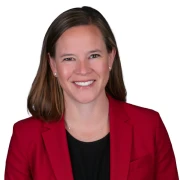

Barry Jacobson is the business unit lead for Bayer crop science in southern Iowa. He leads a team of 35 and has been on the frontline of implementing Bayer’s new operating model—dynamic shared ownership (DSO).
In the past year, Bayer CEO Bill Anderson has introduced DSO and the team at the company has implemented it as they aim to bring the business closer to customers.
Jacobson shares how DSO is changing how Bayer internally works together, works with its channel partners, and shows up on the farm.
“DSO is about empowering people by unearthing their natural talents that they have,” he says. “I’m thinking of people that are in the field, like Field Sales Reps, technical agronomists or customer business advisors, so that way they can make decisions and move the business forward, whether they’re talking with an ag retailer or an influential customer.”
The new operating model structures “squads” which are multidisciplinary, self-governed teams. In his role, Jacobson leads operations and the business in a given geography.
“This is allowing squads to take ownership of the desired outcomes,” Jacobson says. “And we can adopt team norms, for example, every voice has value.”
As an example of how the new operating model works in the business, Jacobson shares recent conversations with four crop protection representatives. In discussing how to use programs, market resources, and more, Jacobson encouraged them to build out the proposals, challenge each other to improve them, and then go to market with their ag retail partners.
“And I encouraged them now in their conversations with the location managers, they can articulate that they created this plan–it’s not something that was imposed on them or made in a different room, a different place a different state–it’s something they created,” he says.
The biggest realized benefits so far are faster front line decisions, greater conviction from the sales team, and improved clarity in the process, according to Jacobson. He shares there are multiple examples of where in previous business structures, a decision may have required approvals taking weeks of waiting. And now, teams are able to provide answers in real-time or in some cases just a couple of hours.
As for daily operations in the squads, Jacobson highlights how the model reinforces peer accountability.
“We have the ability and the opportunity to give and receive positive peer feedback. That’s in the form of gratitude and recognition–saying thank you for what this person has done for the greater good of the squad,” he says.
Also, it’s put in focus how to reduce tension in the sales organization.
“In sales, we are really, really good at cranking up the tension when we are moving through the selling season and we say things like we only have so many days left,” he says. “It’s a sense of urgency, but it doesn’t really help.”
He continues, “In our business, when we reduce the tension, I have seen people rise to the occasion and come up with some very creative ideas, and they do a better job of collaborating.”



