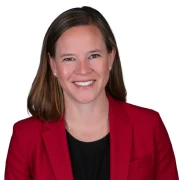

Simplot is expanding its retail footprint into the Carolinas, and Trent Miller is leading the effort.
Miller, a Key Account Manager for the family-owned company, signed a lease in February on a location in Columbia, South Carolina, and says the company is growing organically.
In this episode of The Scoop podcast with brand leader, Margy Eckelkamp, he says earning a farmer’s trust comes down to being intentional, doing what you say you’ll do, and showing up, even if it takes six months to a year.
Margy: Let’s talk a little bit about your role and your guys’ retail footprint there, based out of Edgefield.
Trent: Being a key account manager for Simplot, we’re doing something that other ag retailers are not, and that’s expanding our footprint even further. A little background first. Simplot is strong in the Delta, strong in the Midwest and Pacific Northwest, but they’ve slowly started crawling this way with locations in Virginia, Florida, Georgia, and then the gap was in the Carolinas. So they picked me out and said, hey, can you help us bring us there? And it sounded fun, exciting and challenging. So I was like, yeah, why not? We actually signed a lease in February on a location in Columbia, South Carolina. I wish it was a little more to the orange and purple over in Clemson, but hey, Columbia is perfect as far as warehouse facilities close to the interstate, able to go north, south, east, west from there.
That’s our first step, and my role has been, hey, get us established, find good people, and in the words of JR, the founder, hire good people, turn them loose, let them work. My role has been calling on some wholesale people right now that I had from previous roles across the Carolinas, across northern Georgia area, as well as larger growers. So using my contacts I’ve built over the last 10 years in the industry and working from there. We actually just hired a location manager to man the site in Columbia and also opened up some sales positions. So looking forward to building out the team in Columbia and the Carolinas and growing and growing and growing for sure.
Margy: I will just disclose that I grew up in South Carolina, so I may have a little bit of a personal affection for the farmers that you guys are serving there. But tell me, what have you and the team learned about establishing this new retail footprint in that geography so far in the last several months?
Trent: It’s definitely a challenge, not gonna lie. Problems arise, but, hey, on the bright side, we’re doing what others aren’t, and that’s willing to invest, willing to grow organically. You don’t wanna just hire everybody you can and grow because that’s not sustainable in the long run. We definitely wanna be sustainable in our growth.
Look at the markets, and something that’s been a breath of fresh air is, a lot of people worry, oh, you enter this market, whether it’s saturated with other competition and things like that, but with the market being the way it is, the ag market, people are welcoming new faces, new retailers, and we get to tell our story and show, hey, we’re family-owned, we’re not owned outside. We’re not by Wall Street, anything like that. We’re a family-owned company. We’ve been around in 1929, it’ll be 100 years as a company. We’re in the food group. A lot of people associate us with french fries, so every now and then you get a thing of fries and help sweeten that pot a little bit, but yeah, we get to grow organically and tell our story, which is awesome, and growing in the area has been a breath of fresh air to growers and myself.
Margy: A lot of folks want to know what it takes to build that trust as a newer name to a farmer customer, whether it be a new product, a new service, a new retail business that is looking to partner with farmers. What have you learned in the last several months, and I know I’m speaking generally here, about what farmers have to have as a baseline from their suppliers, their retailers, their partners in business?
Trent: In my opinion, and I’ll tell anyone whether they’re starting out, whether they’re a veteran in the industry, it’s being intentional and doing what you say you’re gonna do and showing up. Those three things all go hand in hand. You wanna be there if there’s a problem. You wanna be the guy who, when he sees something or you’re riding by, you can pick up your phone, shoot him a text, call him, hey, I saw this, just wanted to give you a heads up, and just being there, being present.
That, in turn, it may take six months, it may take a year, but eventually you will earn that spot to become that trusted advisor, and get that next phone call, and get that next pricing. And yeah, price is important, but at the end of the day, guys want relationships. And in my opinion, this is a relationship business. You want to be around for the sale tomorrow, and next year, and the next. You want to continue to see that grower succeed. And being there and building that trust and relationship is huge.
Margy: It sounds like you guys are really wrapping up your first growing season with this expanded footprint. Looking into the future, looking into 2027, if you could share maybe how you’re going to measure success or what your goals are in the future.
Trent: Success to me is, one, becoming, instead of who is Simplot, like, oh, that’s my Simplot. That’s my ag retailer that I trust, and I know they’re gonna do what they say they’re gonna do. That’s my measure of success, becoming a true household name. It’s being family owned. Hey, we’re a family, they’re a family, we want to make sure each other succeed.
We kind of had a campaign this past year, not what if things change, even if things change. So if there’s an upset in the market, if crop mixes change, hey, we want to be flexible and able to pivot and service our people, and again, goes back to doing what we say we’re going to do. So success is doing that, being intentional in all our relationships.