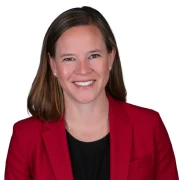

WinField United’s grower finance program grew by hundreds of millions of dollars, more than 50%, in 2026, and the 2027 offer opened a month earlier than usual, says Rory Peddicord, services lead at WinField United.
“The first week has absolutely blown my mind, what’s occurred in the marketplace already,” Peddicord says of the August 1 launch.
A rebuilt foundation
Peddicord says 2026 was the first year the team took “a long look backward and said, if we’d known then what we know now, what would we do differently?” After rebuilding the foundation of the offering, he says, the marketplace accepted it. The growth was not limited to one offering, one geography, or one type of retailer.
“It was really broad-based growth,” he says.
The program is a little over a decade old, which Peddicord calls “a very short time frame” in finance. It began as a traditional supplier seed offer, he says, and was “really a marketing program” judged on whether it influenced a sale. Over time, he says, the goal widened to giving farmers a tool, delivered through their local ag retailer, to make efficient decisions all year.
Four decision seasons
Peddicord says farmers face what he calls four decision seasons: tax, marketing, operating, and procurement. The transitions between them are where “a lot of really good decisions or really poor decisions get made,” he says, and many of those are dictated by cash availability and loan structure.
That is why he says producers should focus on liquidity on their balance sheet—maybe more than the equity portion.
The framing lands as farm balance sheets tighten, and WinField’s parent company is seeing it too.
“Last year we probably had $100 million in reserve loans. And this year it’s over a billion,” Land O’Lakes CEO Beth Ford says. “I said, Ooh, boy, that’s telling me something about the financial position of the farmer. About how they need operating loans to invest in their business.” Ford stresses that it is “very early” and shared her perspective at a recent on-the-record fireside chat hosted by the Economic Club of New York.
Table stakes
Peddicord says supplier financing is becoming “table stakes.” But he says it is table stakes that creates value rather than removing it.
“It’s driving value into the marketplace, which is something that I
love being a part of,” he says.
He says it is now common, inside and outside agriculture, for borrowers to work with more than one lender.
“The days of, I have my one banker that I borrow from, it’s rare,” he says. That does not diminish the need for community banks, he says. Peddicord says he is “a community bank guy at heart” and asked himself whether entering this space would help or harm them before he started. “Obviously, I answered that question for myself,” he says.
One offer, one invoice
For 2027, Peddicord says the program is mostly a build-out of 2026, with an emphasis on consistency.
“Anything you do at scale, no matter how simple it might seem, is complicated,” he says.
The structure is meant to be holistic. The farmer can put everything on the invoice onto the program, he says, and the retailer can offer promotions across seed, crop protection, and crop nutrients, all tied to timing.
Peddicord says the aim is to simplify promotions while rewarding timely decisions.
“We want to reward producers and retailers that don’t drag their feet, that make decisions that allow for inventory positions to be managed more efficiently,” he says.
Those decisions also help working capital lines of credit and production schedules run more efficiently, he says.
Earlier, but for how long?
The earlier launch fits a broader pattern. Peddicord says everyone is racing to the farmer earlier every year, because once bags or gallons are spoken for, there is less opportunity. In some cases that makes economic sense for the farmer, he says. In others, “you just sit back and wonder, is this a right-now thing, or is this a sustainable thing long term?”
Either way, he says, he would rather be early. “When they succeed, our retailers succeed, and we succeed,” Peddicord says.