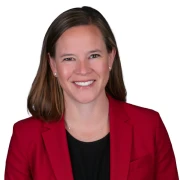

John Hockett, CEO of Marion Ag Service, is the second-generation leader for this family-run ag retailer located in Oregon. As a previous recipient of ARA’s Retailer of the Year, Marion Ag Service exemplifies excellence in its business in many ways, which Hockett boils down to “little things matter.” This year marks 50 years of business, and on The Scoop Podcast Hockett shares a bit on their vision for the next 50.
Trust-Driven Service
Hockett emphasizes that the foundation of Marion Ag Service is built on listening to growers and solving their specific problems. The retailer serves a wide range of customers, from row crop and specialty crop growers, to nurseries, turf managers, and distributor partners within the 11 western states.
“Marion Ag was built on listening to growers and solving real problems, not just selling products. And that mindset hasn’t changed in 50 years,” he says.
He describes their “trust-driven” approach as being willing to “jump through almost any hoop” to ensure customer needs are met with speed and accuracy.
The Power of Independence
A major theme is the flexibility afforded by being a family-owned, independent retailer. Hockett notes that this allows them to make local decisions quickly and maintain accountability to their community without answering to corporate mandates or outside shareholders.
“Independence gives us the speed and flexibility, along with accountability to our community. Simply put, we care,” he says.
Culture and People Over Infrastructure
While the company has invested in modern facilities, Hockett insists that the “people inside” are the true differentiator.
His role as CEO began in 2022, and he’s worked at the company for over three decades.
“My role is really to protect our culture, and focus on long-term relationships, and position the business for sustainable growth while staying grounded in the needs of our growers. And even as we’ve grown, we’re still very hands-on and customer-driven,” he says.
He highlights the importance of protecting the company culture and investing in the next generation of leaders through coaching and succession planning.
“We’re still family-owned,” he says. “And we’re developing the next generation of leaders.”
Strategic Focus and Adaptation
The company has evolved from a local feed and supply business to a major nutrient delivery and technical service provider. This includes the disciplined decision to move away from non-core segments, like feed manufacturing, to focus on their strengths in fertilizer and soil health.
In the podcast episode he discussed in detail that decision to move on from the feed mill and his own entrance into the company and leadership roles.
Navigating Complexity as an Opportunity
Hockett identifies market volatility, rising input costs, and increasing regulations as the industry’s biggest challenges. However, he views these as Marion Ag’s greatest opportunities to provide value as a trusted partner helping growers stay profitable and efficient.
“We value all customers, and so even if it’s a one 50-pound bag of fertilizer, or it could be 10 truckloads, it’s important that we get it right, and that we’re on time,” he says. “Growers need trusted partners to help them navigate regulations and use inputs more efficiently, improve soil health, and stay profitable. And those are areas where Marion Ag is deeply invested and well-positioned.